
Mitts
Unknown Artist
1680–1720
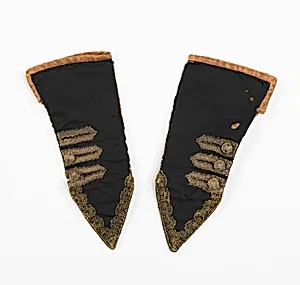
Medium
silk, metal, cotton
Classification
Mitts
Culture
British
Department
Costume Institute
Museum
Metropolitan Museum of Art, New York, NY
Credit
Brooklyn Museum Costume Collection at The Metropolitan Museum of Art, Gift of the Brooklyn Museum, 2009; Museum Expedition 1921, Robert B. Woodward Memorial Fund, 1921
Accession Number
2009.300.2674a, b
Rights
Public Domain
Tags
Art Historical Context
Step into the refined world of late 17th- to early 18th-century fashion with these delicate *Mitts*, crafted between 1680 and 1720. Produced by an unknown artist, fingerless gloves were essential accessories for women of the time, offering both—protecting the palms during daily tasks or outdoor pursuits—and stylish elegance. Housed in the Metropolitan Museum of Art's Costume Institute, they exemplify the period's blend of functionality and ornamentation, acquired through the Brooklyn Museum's 192 expedition. Woven from luxurious silk and cotton, with intricate metal thread embellishments, the mitts showcase advanced embroidery techniques popular in Britain during the late Stuart and early Georgian eras. The floral motifs, hinted at by their tagging, likely feature meticulously stitched blossoms, a hallmark of English needlework that symbolized nature's beauty and prosperity. Metal threads added a shimmering opulence, elevating these items from mere garments to wearable art. These mitts offer a glimpse into the cultural sophistication of British society, where handcrafted textiles reflected social status and skilled craftsmanship. Whether worn to afternoon teas or promenade walks, they whisper stories of a time when every detail mattered.