
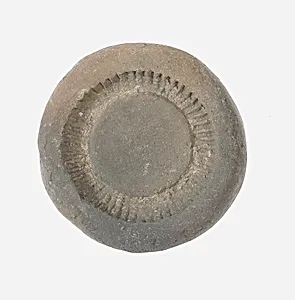
Mold for big ring ornaments
Unknown Artist
ca. 1390–1352 B.C.
Medium
Pottery
Dimensions
various
Classification
Mold
Period
New Kingdom
Department
Egyptian Art
Museum
Metropolitan Museum of Art, New York, NY
Credit
Rogers Fund, 1911
Accession Number
11.215.693
Rights
Public Domain
Art Historical Context
This unassuming pottery mold, dating to around 1390–1352 B.C. from Egypt's New Kingdom Dynasty 18, reveals the behind-the-scenes ingenuity of ancient jewelry production. Crafted by an unknown artisan, it served as a template for fashioning large ring ornaments—likely made from precious metals like gold or faience—that adorned fingers, wrists, or even as symbolic amulets. The "various" dimensions suggest flexibility for creating multiple sizes, highlighting practical craftsmanship in a bustling workshop. Dynasty 18 marked Egypt's golden age of imperial power under pharaohs like Amenhotep III and Tutankhamun, when wealth from conquests fueled lavish arts and crafts. Pottery, an abundant and heat-resistant material, was ideal for molds: it could withstand the firing process needed to cast durable ornaments imbued with protective motifs, such as scarabs or lotuses, symbolizing rebirth and eternity. Acquired through the Rogers Fund in 1911, this artifact now graces the Metropolitan Museum of Art's Egyptian collection. It offers a rare glimpse into the standardized techniques that democratized beauty—turning elite designs into accessible treasures for nobles and commoners alike, bridging utility and artistry in the Nile Valley's vibrant culture.