
Mordant
Unknown Artist
dated 1540
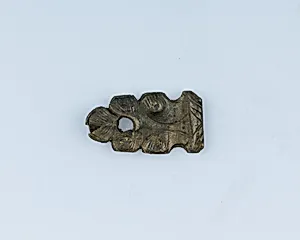
Medium
Brass
Dimensions
H. 1/2 in. (1.3 cm); W. 1 in. (2.5 cm); thickness 1/8 in. (0.3 cm); Wt. 0.1 oz. (2 g)
Classification
Miscellaneous-Buckles & Ornament
Culture
German
Department
Arms and Armor
Museum
Metropolitan Museum of Art, New York, NY
Credit
Gift of Bashford Dean, 1920
Accession Number
20.152.152
Rights
Public Domain
Art Historical Context
Behold the delicate *Mordant*, a buckle crafted in Germany around 1540, now housed in the Metropolitan Museum of Art's Arms Armor Department. Measuring just half an inch high and one inch wide, this lightweight ornament (weighing a mere 0.1 ounces) exemplifies the exquisite metalworking of the Renaissance era. Donated by collector Bashford Dean in 0, it survives as a testament to everyday finery in a world of knights and soldiers. In 16th-century Germany, mordants like this served a practical yet artistic purpose: fastening straps on armor, harnesses, or belts. Brass, valued for its durability and workability, was often etched or chased with intricate designs—though specifics here remain elusive due to the unknown artist. This period marked a peak in German armor production, centered in cities like Nuremberg, where craftsmen blended functionality with subtle ornamentation amid the religious and political upheavals of the Reformation. Though small, the *Mordant* whispers of the era's masterful techniques, highlighting how even utilitarian objects carried cultural prestige. Visitors, imagine it securing a cuirass during the wars of Charles V— a tiny link in the grand chain of history!