
Mutual Confidence (or Intelligence) Pavilion
late 19th–early 20th century
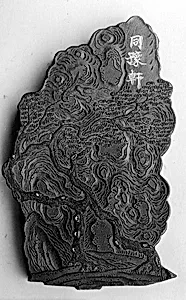
Medium
Ink
Dimensions
W. 2 1/8 in. (5.4 cm); L. 3 3/8 in. (8.6 cm)
Classification
Ink
Culture & Period
China · late Qing dynasty (1644–1911) or early Republic period (1912–49)
Department
Asian Art
Museum
Metropolitan Museum of Art, New York, NY
Credit
Rogers Fund, 1930
Accession Number
30.76.241
Rights
Public Domain
Art Historical Context
Nestled in the Metropolitan Museum of Art's Asian Art collection, *Mutual Confidence (or Intelligence) Pavilion* by Jian Guzhai exemplifies the refined artistry of late Qing dynasty (16441911) or early period (1912–) China. Crafted in ink during the late 19th to 20th century, diminutive piece measures just 2⅛ inches wide by 3⅜ inches long—small enough to fit in the palm of your hand. Acquired through the Rogers Fund in 0, it reflects the era's literati culture, where scholars prized functional objects as vessels for poetic expression and personal identity. As an ink artifact, likely an exquisitely molded ink stick used for calligraphy and painting, it embodies the technical mastery of ink production. High-quality inks were laboriously crafted from soot, glue, and pigments, then pressed into decorative molds with relief carvings or inscriptions naming studios, pavilions, or ideals like "mutual confidence." This title evokes the harmonious bonds of friendship or intellectual exchange central to Confucian scholar-gentlemen, who rubbed such sticks on inkstones to create fluid black ink for their brushes. Its cultural significance lies in bridging imperial tradition and modern transition, capturing a moment when China's artistic elite clung to classical refinement amid political upheaval. Visitors, pause to admire how this tiny treasure transformed everyday ritual into profound artistry, inviting us to ponder the quiet wisdom of shared trust.
About the Artist
Jian Guzhai
Jian Guzhai — meaning roughly "Studio for Appreciating the Antique" — was a renowned ink-tablet workshop operated by the Wang Jinsheng family in the Huizhou region of Anhui Province, China, one of the historic centers of fine inkstick production. Active during the late Qing dynasty (1644–1911) and possibly into the early Republic period (1912–49), the workshop was celebrated for producing ink tabl...