
Ogee frame
Unknown Artist
1700–1710
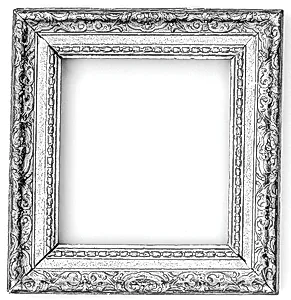
Medium
Oak
Dimensions
Overall: 11 1/4 × 11 in. (28.6 × 28 cm) Sight: 7 1/2 × 6 7/8 in. (19 × 17.5 cm) Rabbet: 8 11/16 × 7 13/16 in. (22 × 19.8 cm)
Classification
Frames
Culture
French
Department
Robert Lehman Collection
Museum
Metropolitan Museum of Art, New York, NY
Credit
Robert Lehman Collection, 1975
Accession Number
1975.1.2235
Rights
Public Domain
Art Historical Context
Nestled in the Robert Lehman Collection at the Metropolitan Museum of Art, this ogee frame from 1700–1710 exemplifies the refined craftsmanship of early 18th-century France Crafted from oak—a sturdy, versatile hardwood prized for its durability and fine grain—the frame measures 11¼ × 11 inches overall, with a sight opening of 7½ × 6⅞ inches. Its namesake ogee profile features elegant, double-curved S-shapes that create a rhythmic, undulating contour, a hallmark of the transitional period between Louis XIV's grand Baroque opulence and the lighter Rococo style emerging under Louis XV. Ogee frames like this one were essential to French interior decoration, designed to elevate paintings or mirrors in lavish salons and châteaux. The intricate molding, often gilded or painted in period settings, drew the eye with its sophisticated asymmetry, reflecting the era's fascination with movement and ornamentation. Though the artist remains unknown, such frames were typically produced by skilled Parisian joiners, showcasing mastery in wood carving and rabbet construction for secure artwork mounting. Today, this modest yet masterful piece invites us to appreciate the unsung artistry of frames—not mere supports, but integral framescapes that framed the cultural splendor of ancien régime France. A testament to anonymous excellence, it highlights how everyday objects embodied the height of French design ingenuity.