
Oval Basin
Unknown Artist
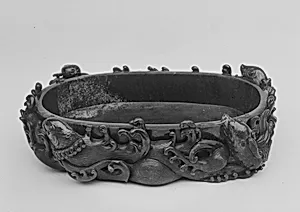
Medium
Nephrite, spinach-green mottled with light and dark browns
Dimensions
H. 4 1/2 in. (11.4 cm); W. 17 1/2 in. (44.5 cm); D. 12 1/2 in. (31.8 cm)
Classification
Jade
Culture & Period
China · Qing dynasty (1644–1911), Qianlong period (1736–95)
Department
Asian Art
Museum
Metropolitan Museum of Art, New York, NY
Credit
Gift of Heber R. Bishop, 1902
Accession Number
02.18.690
Rights
Public Domain
Tags
About this artwork
This Nephrite, spinach-green mottled with light and dark browns by Unknown Artist from 1736–1795 exemplifies historical artistic production through its materials, techniques, and aesthetic approach. Created within specific cultural and historical contexts, works like this reflect both individual artistic vision and broader patterns of workshop practice, patron expectations, and prevailing aesthetic theories. The medium of Nephrite, spinach-green mottled with light and dark browns required specia...
Art Historical Context
This exquisite oval basin, carved from spinach-green nephrite jade mottled with light and darks, hails from China's Qing dynasty during the Qianlong period (6–95), a golden age of imperial artistry. Measuring 17½ inches wide, 12½ inches deep, and 4½ inches high, its substantial form suggests it was designed for display rather than everyday use, embodying the era's fascination with luxury and refinement. Nephrite jade, revered in Chinese culture for symbolizing purity, immortality, and prosperity, was a material fit for emperors; its tough, fibrous quality demanded masterful craftsmanship from specialized workshops, where artisans honed techniques like incising, drilling, and polishing over generations. The basin's surface likely features intricate fish motifs—evident from its classification—common in Qing jade carvings, where fish represent abundance, harmony, and good fortune (a play on the homophone *yu* for "surplus"). Produced under Qianlong emperor's patronage, who amassed vast jade collections, pieces like this showcased technical virtuosity and cultural prestige, serving as status symbols in elite households or palaces. Gifted to the Metropolitan Museum of Art in 1902 by Heber R. Bishop, it offers modern visitors a tangible link to 18th-century China's aesthetic sensibilities, blending natural beauty with profound symbolism.