
Ovolo frame
Unknown Artist
ca. 1700
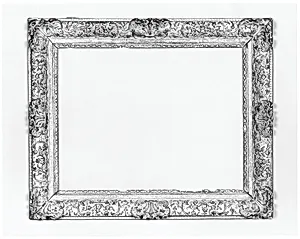
Medium
Oak
Dimensions
Overall: 29 3/8 × 36 1/8 in. (74.6 × 91.8 cm) Sight: 21 1/16 × 27 1/2 in. (53.5 × 69.8 cm) Rabbet: 22 1/16 × 28 9/16 in. (56 × 72.5 cm)
Classification
Frames
Culture
French
Department
Robert Lehman Collection
Museum
Metropolitan Museum of Art, New York, NY
Credit
Robert Lehman Collection, 1975
Accession Number
1975.1.2245
Rights
Public Domain
Art Historical Context
Step into the elegant world of 18th-century French decorative arts this exquisite *Ovolo frame*, crafted around 1700 from sturdy oak. The term "ovolo" refers to its distinctive convex, quarter-round molding profile—reminiscent of an shape in classical architecture—creating a subtle, flowing curve that frames artworks with refined grace. Measuring nearly 30 by 36 inches overall, this frame was designed to encase a painting of about 21 by 27 inches, highlighting its practical yet sophisticated role in period interiors. Dating to the late Baroque era in France, when opulent frames became integral to salon displays, this piece exemplifies the era's emphasis on harmonious proportions and carved woodwork. Oak's durability made it a favored medium for such structures, allowing intricate detailing that complemented gilded or painted canvases. Though the artist remains unknown, its survival speaks to masterful joinery techniques, ensuring longevity through centuries. Now housed in the Metropolitan Museum of Art's Robert Lehman Collection (acquired in 1975), this frame underscores the cultural importance of picture framing as an art form itself. It invites us to appreciate how these "silent guardians" enhanced the visual drama of French masterpieces, bridging architecture and painting in the grand tradition of Versailles-era luxury.