
Paccha
Unknown Artist
15th–16th century
Medium
Ceramic, pigment
Dimensions
Length 15 in.
Classification
Ceramics-Containers
Culture
Inca
Department
Arts of Africa, Oceania, and the Americas
Museum
Metropolitan Museum of Art, New York, NY
Credit
Gift of Louise Reinhardt Smith, 1995
Accession Number
1995.481.3
Rights
Public Domain
Tags
Art Historical Context
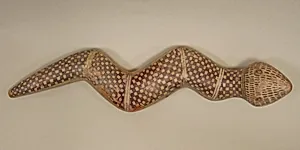
This exquisite *Paccha*, dating to the 15th–16th century, hails from the Inca Empire during its imperial height in the Andes. Crafted by an unknown artist, this ceramic vessel—measuring 15 inches in length—served as a ritual container, reflecting the Inca's deep reverence for agriculture, water, and fertility. The title "Paccha" refers to a specialized type of libation vessel, often used to pour sacred liquids like chicha (fermented corn beer) during to honor earth deities and ensure bountiful harvests. Made from ceramic with applied pigments, the paccha showcases Inca mastery of modeling and firing techniques, producing durable, functional art. Its snake motifs, highlighted in the tags, evoke Andean symbolism where serpents represented rivers, underground waters, and renewal—essential to a civilization reliant on terraced farming and irrigation. These zoomorphic elements, typically forming spouts, allowed liquids to "flow like serpents," mimicking natural watercourses in rituals. Today, this gift to the Metropolitan Museum of Art from Louise Reinhardt Smith in 1995 invites us to ponder the Inca's harmonious blend of utility and spirituality, bridging everyday life with cosmic forces in the Arts of Africa, Oceania, and the Americas collection.