
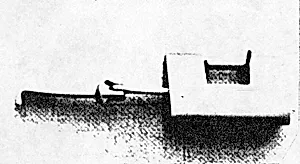
Padlock and Key
Unknown Artist
18th century or later
Medium
Bronze
Dimensions
Padlock: H. 1 in. (2.5 cm); W. 1 3/4 in. (4.4 cm); D. 5 in. (12.7 cm) L. with key extended: 4 in. (10.2 cm)
Classification
Metalwork
Culture
India
Department
Asian Art
Museum
Metropolitan Museum of Art, New York, NY
Credit
Rogers Fund, 1910
Accession Number
10.100.174a, b
Rights
Public Domain
Art Historical Context
Nestled in the Metropolitan Museum of Art's Asian collection, this bronze *Padlock and Key* from India, dating to the 18 century or later, exemplifies exquisite metalwork traditions of the subcontinent. Crafted by unknown artist, the compact padlock measures just 1 inch high and 1¾ inches wide but boasts an impressive 5-inch depth, with the key extending the total length to 4 inches. Acquired through the Rogers Fund in 0, it highlights everyday objects elevated to art through skilled craftsmanship. Bronze, a favored medium in Indian metalworking for its durability and malleability, allowed artisans to create intricate, functional designs that blended utility with aesthetic appeal. In historical India, such padlocks secured valuables in homes, temples, and treasuries, often featuring complex mechanisms that reflected advanced metallurgical techniques passed down through generations. This piece underscores the cultural value placed on security and ingenuity, where even mundane tools became symbols of technical prowess. Today, it invites visitors to marvel at how Indian metalworkers transformed bronze into enduring artifacts, bridging the practical and the poetic in everyday life. A testament to anonymous mastery, it reminds us that artistry thrives beyond grand canvases.