
Page of Calligraphy
early 16th century
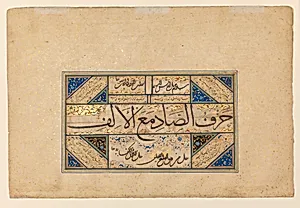
Medium
Ink, opaque watercolor, and gold on paper
Classification
Codices
Department
Islamic Art
Museum
Metropolitan Museum of Art, New York, NY
Credit
Purchase, Mr. and Mrs. Jerome A. Straka Gift, 1982
Accession Number
1982.120.4
Rights
Public Domain
Tags
Art Historical Context
This exquisite *Page of Calligraphy* Sultan Muhammad Nur, from early 16th century exemplifies the pinnacle of Islamic manuscript artistry. Crafted with ink, opaque watercolor, gold on paper, it to a codex—a bound book format that preserved sacred texts, poetry, and literature in the world. Housed in the Metropolitan Museum of Art's Department of Islamic Art, this leaf showcases the fusion of poetry and calligraphy, where rhythmic verses dance across the page in elegant script. In the Safavid era of Persia (circa 1501–1736), calligraphy was revered as the noblest art form, embodying spiritual devotion and intellectual refinement. Artists like Sultan Muhammad Nur elevated it to luminous heights, using gold leaf for divine radiance and vibrant opaque watercolors—similar to gouache—for intricate floral or geometric borders that frame the text. These techniques not only enhanced readability but also created a meditative experience, turning words into visual poetry. For visitors, this page invites contemplation of how Islamic culture intertwined beauty and meaning, making the ephemeral spoken word eternal on paper. A gift to the museum in 1982, it remains a testament to the era's masterful blend of precision and splendor.