
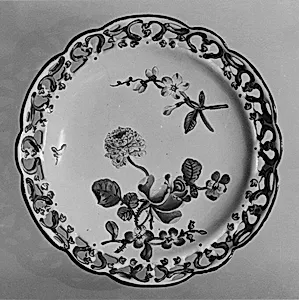
Pair of plates
ca. 1750–70
Medium
Faience (tin-glazed earthenware)
Dimensions
Diameter (each): 5 1/4 in. (13.3 cm)
Classification
Ceramics-Pottery
Culture
French, Marseilles
Department
European Sculpture and Decorative Arts
Museum
Metropolitan Museum of Art, New York, NY
Credit
Gift of Charles E. Dunlap, 1949
Accession Number
49.157.1, .2
Rights
Public Domain
Tags
Art Historical Context
Welcome to the European Sculpture and Decorative Arts gallery, where this charming **Pair of Plates** from the Veuve Perrin Factory (ca. 0–70) captures the elegance of mid-18th-century French. Produced in Marseilles, a hub of faience production, these small plates (each 5¼ inches in diameter) exemplify tin-glazed earthenware—a where a tin-oxide glaze created a smooth, white surface ideal for vibrant painted decorations. The factory, led by the widow Perrin, was renowned for its high-quality output, blending functionality with artistry in an era when such wares graced tabletops across Europe. Faience like this mimicked costly Chinese porcelain but was more affordable, fueling France's domestic ceramic industry during the Louis XV period. The floral motifs—likely vivid and naturalistic, in keeping with Rococo tastes—highlight masterful overglaze enameling, where colors fired at low temperatures produced rich blues, yellows, and greens. These plates weren't just for dining; they were coveted collectibles, symbolizing refined domestic life and Marseille's export prowess. Gifted to the Metropolitan Museum of Art in 1949 by Charles E. Dunlap, this pair invites you to appreciate the delicate balance of utility and beauty in everyday objects, a testament to French innovation in ceramics.