
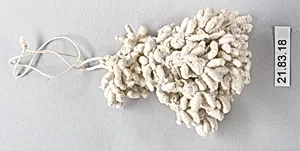
Pair of tassels
Unknown Artist
17th century
Dimensions
(.18) L. 3 inches (7.6 cm); (.19) L. 2 1/2 inches 48.3 cm
Classification
Textiles-Trimmings
Culture
Italian
Department
European Sculpture and Decorative Arts
Museum
Metropolitan Museum of Art, New York, NY
Credit
Gift of Mrs. J. Pierpont Morgan, 1921
Accession Number
21.83.18, .19
Rights
Public Domain
Art Historical Context
This exquisite pair of tassels, crafted by an unknown Italian artist in the 17th century, exemplifies the refined artistry of Baroque-era decorative textiles. Measuring 3 inches (7.6 cm) and 2½ inches (6.4 cm) in length, these delicate trimmings were likely used to embellish furnishings, garments, or ecclesiastical vestments, adding a touch of grandeur to everyday luxury. Housed in the Metropolitan Museum of Art's Department of European Sculpture and Decorative Arts, they were generously gifted by Mrs. J. Pierpont Morgan in 1921. In 17th-century Italy, tassels represented the pinnacle of textile craftsmanship, often woven from fine silks or metallic threads by skilled artisans in cities like Venice or Florence. During the Baroque period, such embellishments symbolized wealth and status, adorning everything from velvet curtains to ceremonial robes. Their intricate knotting and suspension techniques highlight the labor-intensive processes that blended functionality with opulent design, reflecting Italy's enduring legacy in decorative arts. These tassels offer a glimpse into the tactile splendor of historical interiors, inviting visitors to appreciate the subtle elegance that elevated European material culture. Though small in scale, their preservation underscores the museum's commitment to showcasing overlooked treasures of textile history.