
Panel
Unknown Artist
second half 16th century
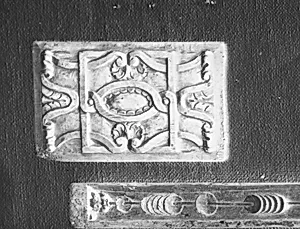
Medium
Carved walnut
Dimensions
8 1/2 × 5 1/4 in. (21.6 × 13.3 cm)
Classification
Woodwork
Culture
French
Department
European Sculpture and Decorative Arts
Museum
Metropolitan Museum of Art, New York, NY
Credit
Gift of J. Pierpont Morgan, 1916
Accession Number
16.32.296
Rights
Public Domain
Art Historical Context
This exquisite carved walnut panel, crafted by an unknown French artist in the second half of the16th century, offers a glimpse into the refined world of Renaissance decorative arts. During this era, France was embracing the opulent styles of the late Renaissance, where intricate woodwork adorned the homes of the nobility and emerging bourgeoisie. At just 8½ × 5¼ inches, its modest scale suggests it may have been part of a larger ensemble, such as a cabinet door, mirror frame, or architectural wainscoting, showcasing the era's emphasis on harmonious proportions and subtle luxury. Walnut, prized for its rich grain and durability, was a favored medium for carving due to its ability to hold fine details without splintering. French woodworkers of the time employed gouges and chisels to create textured surfaces that played with light and shadow, elevating functional objects into sculptural art. This panel exemplifies the technical mastery of anonymous atelier craftsmen, whose anonymous works often rivaled those of named masters in precision and elegance. A generous gift from J. Pierpont Morgan in 1916, it resides in the Metropolitan Museum of Art's Department of European Sculpture and Decorative Arts. Today, it invites visitors to appreciate the unsung artistry that furnished Renaissance interiors, bridging everyday life with timeless beauty.