
Panel
early 19th century
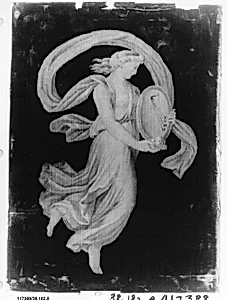
Dimensions
H. 13 x W. 9 1/2 inches (sight) (33.0 x 24.1 cm)
Classification
Textiles-Velvets
Culture
French, Aix-en-Provence
Department
European Sculpture and Decorative Arts
Museum
Metropolitan Museum of Art, New York, NY
Credit
Rogers Fund, 1938
Accession Number
38.182.8
Rights
Public Domain
Tags
Art Historical Context
This exquisite velvet panel by Gaspard Grégo, crafted in early 19th-century France Aix-en-Provence captures the refined elegance of Provençal textile artistry. Measuring a modest 13 x 9½ inches (33 x 24.1 cm), it belongs to the Metropolitan Museum of Art's European Sculpture and Decorative collection, acquired through the Rogers Fund in 8. As a prime example of textiles-velvets, it the luxurious pile weave technique, where cut loops create a soft, shimmering surface ideal for decorative panels used in furnishings or wall hangings. Produced during the post-Napoleonic era, when French decorative arts blended Empire opulence with Romantic revival, Grégoire's work reflects Aix-en-Provence's rich textile heritage—a hub for silk and velvet production since medieval times. The theme of women, evident in its tagging, likely evokes idealized feminine figures, common in period velvets that adorned bourgeois homes, symbolizing grace and domestic luxury. Velvet's durability and visual depth made it a status symbol, bridging fine art and everyday opulence. This small-scale masterpiece invites visitors to appreciate the meticulous craftsmanship of French regional traditions, preserved for modern eyes at the Met.