
Panels of velvet
Unknown Artist
late 16th–early 17th century
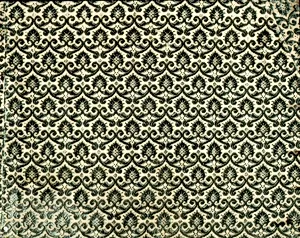
Medium
Cut and uncut voided silk velvet
Dimensions
a) L. 55 1/4 x W. 28 1/4 inches (140.3 x 71.8 cm); b) L. 28 1/4 x W. 21 3/8 inches (71.8 x 54.3 cm); c) L. 7 x W. 3 inches (17.8 x 7.6 cm);
Classification
Textiles-Velvets
Culture
Italian
Department
European Sculpture and Decorative Arts
Museum
Metropolitan Museum of Art, New York, NY
Credit
Gift of Kate Read Blacque, in memory of her husband, Valentine Alexander Blacque, 1933
Accession Number
33.95.14a–c
Rights
Public Domain
Art Historical Context
These exquisite *Panels of Velvet*, crafted in Italy during the late16th to early 17th, showcase the pinnacle of Renaissance textile artistry. Comprising three fragments—a large panel measuring 55¼ × 28¼ inches, a medium one at 28¼ × 21⅜ inches, and a small of 7 × 3 inches—these works were created using cut and uncut voided velvet. This sophisticated technique involves weaving a pile of silk threads and then selectively cutting away (voiding) areas to reveal intricate patterns against a contrasting ground, blending looped (uncut) and sheared (cut) surfaces for dramatic depth and luminosity. Italian velvets from this era were symbols of luxury and technical mastery, prized across Europe for ecclesiastical vestments, opulent furnishings, and elite garments. Produced in renowned centers like Genoa and Venice, they reflected the period's fascination with rich textures and bold motifs, often floral or geometric, that caught the light to mimic jewels or brocade. The voided method allowed weavers to create complex designs efficiently, making these textiles both art and status symbols. Now housed in The Metropolitan Museum of Art's Department of European Sculpture and Decorative Arts, gifted in 1933 by Kate Read Blacque in memory of her husband, these panels offer a tactile glimpse into Italy's golden age of decorative arts. Though the artist remains unknown, their preservation highlights the enduring allure of silk velvet's shimmering elegance.