
Pattern
Unknown Artist
ca. 1840
Medium
Parchment
Classification
Textiles-Methods and Materials
Culture
British
Department
European Sculpture and Decorative Arts
Museum
Metropolitan Museum of Art, New York, NY
Credit
Gift of Mrs. C. Edwin Linville, 1981
Accession Number
1981.457.20
Rights
Public Domain
Art Historical Context
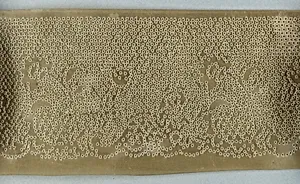
**Pattern**, created around 1840 by an unknown British artist, offers a fascinating glimpse into the intricate world of Victorian textile design. Housed in the Metropolitan Museum of Art's of European Sculpture and Decor Arts, this delicate parchment piece—classified under Textiles: Methods and Materials—was generously gifted by Mrs. C Edwin Linville in 1. As a pattern, it likely served as blueprint for fabric production, capturing the era's booming textile industry during Britain's Industrial Revolution. Parchment, made from animal skin, was prized for its durability and fine surface, ideal for drafting repeatable motifs used in block printing or weaving. In the 1840s, Britain led global textile innovation, with factories churning out calicoes and chintzes adorned with floral or geometric designs inspired by exotic imports and emerging tastes. This artifact highlights the skilled, often anonymous labor behind decorative arts that adorned homes and wardrobes across the empire. Though the exact design remains a mystery without visual details, *Pattern* underscores the unsung role of such templates in shaping everyday beauty. It invites us to appreciate how simple tools fueled an artistic and economic powerhouse, bridging craftsmanship and mass production in 19th-century Britain. (198 words)