
Pauvre Annette
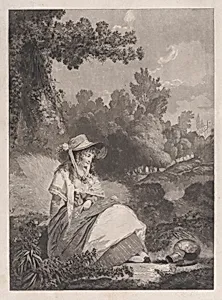
Medium
Etching and aquatint
Dimensions
Image: 11 7/8 × 8 11/16 in. (30.2 × 22 cm) Sheet: 14 in. × 10 13/16 in. (35.6 × 27.5 cm)
Classification
Prints
Department
Drawings and Prints
Museum
Metropolitan Museum of Art, New York, NY
Credit
Harris Brisbane Dick Fund, 1954
Accession Number
54.533.2
Rights
Public Domain
Tags
Art Historical Context
Step into the vibrant world of late 18th-century Frenchmaking with *Pauvre Annette* (Poor Annette), a poignant 1795 etching and aquatint by Louis Philibert Debuc. Created during the turbulent Directory period following the French Revolution, this print captures a moment of quiet melancholy through its delicate depiction of a woman—likely embodying themes of loss or vulnerability, as suggested by the evocative title. Debucourt, a master engraver, was renowned for his innovative use color in prints, bridging the gap between painting and reproduction. The medium of etching and aquatint was revolutionary at the time, allowing Debucourt to achieve rich tonal gradations and subtle hues that mimicked oil paintings. Aquatint, in particular, introduced a velvety texture ideal for landscapes and figures, making prints like this accessible luxury items for the emerging middle class. Measuring about 12 by 9 inches, *Pauvre Annette* exemplifies how such techniques democratized art amid social upheaval. Housed in the Metropolitan Museum of Art's Drawings and Prints department, this work highlights women's portrayal in Revolutionary-era imagery—often sentimental yet resilient. A true gem for print enthusiasts, it invites reflection on art's power to humanize history.