
Pendant
Unknown Artist
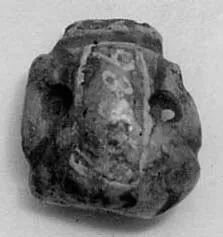
Medium
Jadeite
Dimensions
H. 7/8 in. (2.3 cm); W. 13/16 in. (2.1 cm); D. 1/2 in. (1.2 cm)
Classification
Jade
Culture
Mexico or Guatemala
Department
Asian Art
Museum
Metropolitan Museum of Art, New York, NY
Credit
Gift of Heber R. Bishop, 1902
Accession Number
02.18.302
Rights
Public Domain
Art Historical Context
This exquisite jadeite pendant, a gem measuring just 7/8 inch high, 13/16 inch wide, 1/2 inch deep, hails from the ancient cultures of Mexico or Guatemala. Carved from prized jadeite—a vibrant green stone revered for its rarity and translucency—this small adornment likely served as personal jewelry, perhaps worn as a necklace by an elite individual. Its compact form speaks to the wearer's status, as jadeite was laboriously shaped using simple stone tools, showcasing the artisan's remarkable skill in a hard, unyielding material. In pre-Columbian Mesoamerica, jadeite held profound cultural and spiritual significance, often symbolizing life, fertility, and divine favor among Maya or related peoples in regions like Guatemala and southern Mexico. Pendants like this were not mere decoration but potent talismans, possibly linked to rituals or daily protection. Though the exact date and artist remain unknown, such objects highlight the sophisticated lapidary traditions of these societies, where jade rivaled gold in prestige. Generously gifted to the Metropolitan Museum of Art in 1902 by collector Heber R. Bishop, this pendant now graces the Asian Art department's jade collection, bridging continents through shared appreciation for this timeless medium. A quiet testament to ancient ingenuity, it invites us to ponder the hands that crafted it millennia ago.