
Phoenix (Fenghuang)
Medium
Ink and color on paper, framed
Dimensions
28 x 66 in. (71.1 x 167.6 cm)
Classification
Paintings
Culture & Period
China · Ming (1368–1644) or Qing (1644–1911) dynasty
Department
Asian Art
Museum
Metropolitan Museum of Art, New York, NY
Credit
Gift of C. Edward Wells, 1941
Accession Number
41.193
Rights
Public Domain
Tags
About this artwork
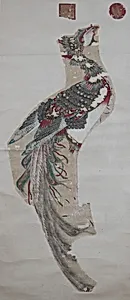
This painting depicts the fenghuang, the Chinese phoenix, executed in ink and color on paper during either the Ming (1368-1644) or Qing (1644-1911) dynasty. The work measures an impressive twenty-eight by sixty-six inches and presents the mythical bird with the elaborate plumage and graceful form characteristic of fenghuang imagery in Chinese art. Created by an unidentified artist, the painting demonstrates sophisticated brushwork and color application that bring the legendary creature to life. ...
Art Historical Context
Behold the majestic *Phoenix (Fenghuang)*, a captivating ink and color on paper painting from China's Ming (1368–4) or Qing (1644–1911), now housed in the Metropolitan Museum of Art Asian Art Department. Measuring an impressive 28 x 66 inches, this framed work by an unidentified artist showcases the mythical fenghuang with elaborate plumage and graceful form, brought to life through sophisticated brushwork and vibrant application. The bird's composite features—drawn from various real species—exemplify the Chinese aesthetic of harmonious idealization. In Chinese culture, the fenghuang symbolizes profound virtues: grace, prosperity, and the balance of yin and yang. Often paired with the dragon (representing the emperor), it evokes the empress and imperial harmony, distinct from the Western phoenix's fiery rebirth. Bright yellow background elements hint at possible imperial associations, reserved for works tied to the throne. A gift to the Met in 1941 from C. Edward Wells, this enduring motif graces Chinese paintings, textiles, ceramics, and architecture, underscoring the fenghuang's timeless role in celebrating auspicious unity.