
Piece
Unknown Artist
16th–17th century
Medium
Silk
Dimensions
L. 5 3/8 x W. 4 1/8 inches (13.7 x 10.5 cm)
Classification
Textiles-Velvets
Culture
Italian
Department
European Sculpture and Decorative Arts
Museum
Metropolitan Museum of Art, New York, NY
Credit
Gift of The United Piece Dye Works, 1936
Accession Number
36.90.371
Rights
Public Domain
Art Historical Context
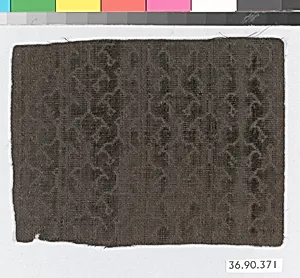
This exquisite fragment, titled simply *Piece*, hails from 16th–17th Italy, a golden age for European textile artistry. Crafted from luxurious silk velvet, it measures just 5⅜ x 4⅛ inches (13.7 x 10.5 cm), likely a surviving remnant of a larger cloth used for opulent garments, ecclesiastical vestments, or lavish furnishings. Italian silk production, centered in cities like Venice and Florence, was renowned across Europe for its technical mastery and sumptuous quality, symbolizing wealth and status during the Renaissance and early Baroque periods. Velvet weaving, as seen here, involves creating a soft, cut pile that catches light dramatically, producing a shimmering depth unmatched by other fabrics. Italian artisans excelled in this labor-intensive technique, often incorporating intricate patterns (though specifics of this piece's design are not detailed). These textiles were prized exports, adorning nobility and adorning altars, and influenced fashion from Spain to the Ottoman courts. Today, this rare survivor graces the Metropolitan Museum of Art's European Sculpture and Decorative Arts collection, a generous 1936 gift from The United Piece Dye Works. It offers a tactile glimpse into Italy's textile legacy, reminding us how everyday luxuries once defined cultural splendor.