
Piece
Unknown Artist
18th century
Medium
Silk; on silk
Dimensions
19 1/4 x 13 1/2 in. (48.90 x 34.29 cm)
Classification
Textiles-Embroidered
Culture & Period
Japan · Edo period (1615–1868)
Department
Asian Art
Museum
Metropolitan Museum of Art, New York, NY
Credit
Gift of Mr. and Mrs. H. O. Havemeyer, 1896
Accession Number
96.14.31
Rights
Public Domain
Tags
Art Historical Context
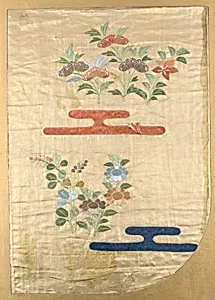
This exquisite embroidered silk textile, simply titled *Piece*, hails from 18th-century Japan during the Edo period (161–1868), a age of peace, prosperity, and refined artistry. Measuring 19¼ x 13½ inches, it showcases delicate motifs of leaves, rendered with masterful precision on a silk ground backed by silk. As a prime example of Japanese embroidered textiles, it reflects the era's fascination with nature's fleeting beauty, a core theme in Edo art where flora symbolized transience and harmony. Edo-period embroidery techniques were highly sophisticated, employing fine silk threads in layered stitches—such as satin or padding—to create texture, depth, and luminous color. These luxurious pieces often adorned kimonos, screens, or ceremonial garments for the samurai and merchant classes, blending functionality with aesthetic splendor. The silk medium enhanced the work's sheen, evoking dew-kissed foliage under lantern light. Generously gifted to the Metropolitan Museum of Art in 1896 by Mr. and Mrs. H. O. Havemeyer, this anonymous masterpiece invites visitors to appreciate Japan's textile legacy. Though its exact use remains a mystery, it embodies the meticulous craftsmanship that elevated everyday motifs into timeless poetry.