
Piece
Unknown Artist
18th century
Medium
Silk
Dimensions
11 1/4 x 6 1/4 in. (28.57 x 15.88 cm)
Classification
Textiles-Woven
Culture & Period
Japan · Edo period (1615–1868)
Department
Asian Art
Museum
Metropolitan Museum of Art, New York, NY
Credit
Gift of Mr. and Mrs. H. O. Havemeyer, 1896
Accession Number
96.14.62
Rights
Public Domain
Art Historical Context
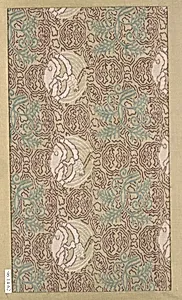
This exquisite silk textile fragment, dating to the 18th century during Japan's Edo period (16151868), offers a glimpse into the refined artistry of a prosperous era. Produced by an unknown artist, the piece measures a modest 11¼ x 6¼ inches (28.57 x 15.88 cm), likely a remnant of a larger garment or decorative textile. The Edo period was marked by urban growth, peace under the Tokugawa shogunate, a boom in craftsmanship, where silk weaving became a hallmark of Japanese ingenuity and aesthetic sensibility. Woven silk, as classified here, exemplifies advanced textile techniques honed in regions like Kyoto and Nishijin. Artisans employed intricate looms to create luxurious fabrics prized for kimonos, obi sashes, and screens, blending functionality with beauty. This medium's sheen and durability made it a status symbol, reflecting Japan's mastery of sericulture—silk production from silkworms—and its role in trade and daily life. Generously gifted to the Metropolitan Museum of Art in 1896 by Mr. and Mrs. H. O. Havemeyer, renowned collectors of Asian and Impressionist art, this piece enriches the museum's Asian Art collection. It invites visitors to appreciate the subtle elegance of Edo textiles, evoking the vibrant world of samurai, merchants, and geisha who wore such finery.