
Piece
Unknown Artist
18th–19th century
Medium
Silk
Dimensions
5 x 3 in. (12.70 x 7.62 cm)
Classification
Textiles-Woven
Culture & Period
Japan · Edo (1615–1868)
Department
Asian Art
Museum
Metropolitan Museum of Art, New York, NY
Credit
Gift of Mr. and Mrs. H. O. Havemeyer, 1896
Accession Number
96.14.150
Rights
Public Domain
Art Historical Context
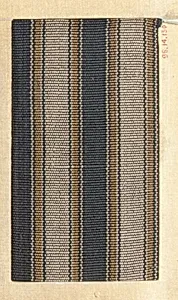
This exquisite silk textile fragment, simply titled *Piece*, hails from Japan's Edo period (16151868), a time of remarkable stability and cultural flourishing under the Tokugawa shunate. Measuring just 5 x 3 inches, this small woven treasure exemplifies the era's mastery of silk production, which was central to Japanese economy and artistry. During the Edo years, silk weaving reached new heights of refinement, with techniques like kasuri (ikat) or elaborate brocading often adorning kimonos, obi sashes, and ceremonial garments for samurai, merchants, and nobility. As a woven textile in the Metropolitan Museum of Art's Asian Art collection, it highlights Japan's isolationist sakoku policy, which fostered unique domestic innovations free from foreign influences. The fine silk medium underscores the labor-intensive process: silkworms cultivated in rural areas, threads dyed with natural pigments, and looms operated by skilled artisans in weaving centers like Kyoto's Nishijin district. Though the specific design remains unrecorded here, such pieces often featured motifs of nature, seasons, or auspicious symbols, reflecting Edo society's appreciation for beauty in everyday luxury. Generously gifted in 1896 by Mr. and Mrs. H. O. Havemeyer—prominent collectors who brought global treasures to American shores—this fragment invites us to marvel at the enduring elegance of Edo craftsmanship, bridging centuries to touch modern admirers.