
Piece
Unknown Artist
18th–19th century
Medium
Silk
Dimensions
8 3/4 x 8 in. (22.23 x 20.32 cm)
Classification
Textiles-Woven
Culture & Period
Japan · Edo (1615–1868)
Department
Asian Art
Museum
Metropolitan Museum of Art, New York, NY
Credit
Gift of Mr. and Mrs. H. O. Havemeyer, 1896
Accession Number
96.14.203
Rights
Public Domain
Tags
Art Historical Context
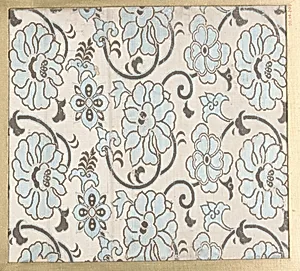
This exquisite silk textile fragment, simply titled *Piece*, hails from Japan's Edo period (16151868), a time of remarkable peace, economic growth, and artistic innovation. Created by an unknown artist in the th or 19th century, small woven square—measuring just 8¾ x 8 inches—exemplifies the mastery of Japanese textile arts. Floral motifs, as suggested by its tags, were a hallmark of Edo-era designs, often celebrating the transient beauty of nature and the changing seasons, reflecting deeper cultural values like *mono no aware* (the pathos of things). Woven silk was a prestigious medium in Japan, prized for its luster, durability, and capacity for intricate patterns. Artisans employed sophisticated loom techniques to create textured effects and vibrant colors, making such pieces integral to kimonos, obi sashes, and decorative screens for the growing merchant class and samurai elite. Though diminutive, this fragment likely served as a sample or remnant of a larger garment, showcasing the precision and elegance that defined Japanese craftsmanship. Generously gifted to the Metropolitan Museum of Art in 1896 by Mr. and Mrs. H. O. Havemeyer, early champions of Asian art, this work offers a window into Edo Japan's refined aesthetic. Visitors can appreciate how such textiles bridged everyday life and high art, blending utility with poetic symbolism.