
Piece
Unknown Artist
18th–19th century
Medium
Silk
Dimensions
2 3/4 x 2 in. (6.99 x 5.08 cm)
Classification
Textiles-Woven
Culture & Period
Japan · Edo (1615–1868)
Department
Asian Art
Museum
Metropolitan Museum of Art, New York, NY
Credit
Gift of Mr. and Mrs. H. O. Havemeyer, 1896
Accession Number
96.14.432
Rights
Public Domain
Art Historical Context
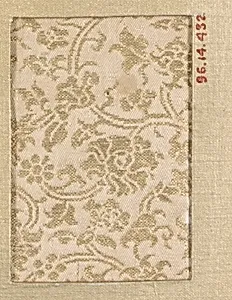
This exquisite silk textile fragment, simply titled *Piece*, hails from Japan's Edo period (1615–1868), a time of remarkable cultural flourishing and economic stability under the Tokugawa shogunate. Measuring just 2¾ x 2 inches, this tiny woven artifact offers a glimpse into the refined world of Japanese craftsmanship, where textiles were not merely functional but symbols of status, artistry, and seasonal elegance. Donated to the Metropolitan Museum of Art in 1896 by Mr. and Mrs. H. O. Havemeyer, it resides in the Asian Art department, showcasing the era's mastery of silk production—a luxury material central to kimonos, obi sashes, and ceremonial garments. Woven silk during the Edo period represented pinnacle technical skill, with artisans employing intricate looms to create durable yet luminous fabrics prized for their sheen and versatility. Though the exact design remains unrecorded here, such pieces often featured motifs inspired by nature, theater, or daily life, reflecting ukiyo-e influences in broader Edo culture. Its diminutive size suggests it may have been a sample, patch, or accessory component, highlighting how even small textiles embodied Japan's meticulous attention to detail and aesthetic harmony. Visitors, pause to appreciate this delicate survivor: in an age before industrialization, it whispers of silkworms nurtured in rural sericulture and hands that wove beauty into everyday splendor. A testament to Edo Japan's enduring legacy in textile arts.