
Piece
Unknown Artist
18th–19th century
Medium
Silk
Dimensions
7 x 2 in. (17.78 x 5.08 cm)
Classification
Textiles-Woven
Culture & Period
Japan · Edo period (1615–1868)
Department
Asian Art
Museum
Metropolitan Museum of Art, New York, NY
Credit
Gift of Mr. and Mrs. H. O. Havemeyer, 1896
Accession Number
96.14.508
Rights
Public Domain
Art Historical Context
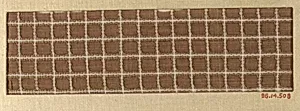
This delicate silk textile fragment, simply titled *Piece*, originates from Japan during the Edo period (5–1868), a time of relative peace and cultural flourishing. Crafted by an unknown artist in the 18th–19th centuries, its modest dimensions—7 x 2 inches—suggest it may be a remnant from a larger garment, such as a kimono sash or decorative edging. As a woven textile in the Metropolitan Museum of Art’s Asian Art Department, it exemplifies the exquisite craftsmanship of Japanese silk production, gifted by renowned collectors Mr. and Mrs H. O. Havemeyer in 1896. The Edo period marked a golden age for Japanese textiles, with silk weaving becoming a highly refined art form. Artisans employed intricate loom techniques to create luxurious fabrics that signified social status and seasonal fashion. Prized for its luster, durability, and ability to hold vibrant dyes, silk was central to daily life and ceremonies, reflecting Japan's advanced sericulture and trade networks. Though small, this piece invites us to appreciate the anonymous mastery behind Edo-era textiles—subtle artistry woven into the fabric of history. Visitors can marvel at how such fragments preserve the elegance of a bygone era.