
Piece
Unknown Artist
18th–19th century
Medium
Silk
Dimensions
7 1/2 x 8 1/4 in. (19.05 x 20.95 cm)
Classification
Textiles-Woven
Culture & Period
Japan · Edo period (1615–1868)
Department
Asian Art
Museum
Metropolitan Museum of Art, New York, NY
Credit
Gift of Mr. and Mrs. H. O. Havemeyer, 1896
Accession Number
96.14.665
Rights
Public Domain
Tags
Art Historical Context
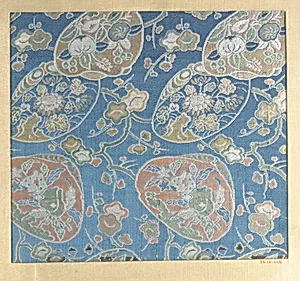
This exquisite silk textile fragment, simply titled *Piece*, hails from Japan's Edo period (16151868), a time of relative peace and cultural flourishing that saw the rise of sophisticated urban arts. Woven in the 18th or 19th century, small panel—measuring just 7½ x 8¼ inches—likely served as part of a larger garment, screen, or decorative object. Its plant motifs, a hallmark of Japanese design, evoke the natural world, symbolizing seasonal beauty, harmony, and the transient nature of life, themes central to Edo-era aesthetics. Crafted from luxurious silk, the textile showcases advanced weaving techniques perfected by Japanese artisans during this era. Silk production and intricate patterning were highly prized, often involving complex looms that created vibrant, detailed motifs without dyesing the fabric's sheen. These pieces reflect the period's merchant class prosperity and love for refined craftsmanship, bridging utilitarian function with artistic expression. Generously gifted to the Metropolitan Museum of Art in 1896 by Mr. and Mrs. H. O. Havemeyer, renowned collectors of Asian art, this anonymous work invites us to appreciate the subtlety of Edo textiles—where every thread tells a story of innovation and nature's enduring inspiration.