
Piece
Unknown Artist
18th–19th century
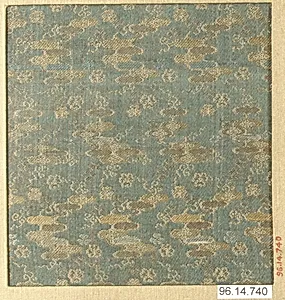
Medium
Silk
Dimensions
4 3/4 x 5 in. (12.07 x 12.70 cm)
Classification
Textiles-Woven
Culture
Japan
Department
Asian Art
Museum
Metropolitan Museum of Art, New York, NY
Credit
Gift of Mr. and Mrs. H. O. Havemeyer, 1896
Accession Number
96.14.740
Rights
Public Domain
Art Historical Context
This exquisite silk textile fragment, dating to Japan's 18th–19th century, offers a glimpse into the refined world of Edo-period (1603–1868) and Meiji-era craftsmanship. Measuring just 4¾ x 5 inches, this woven piece hails from the Metropolitan Museum of Art's Asian Art department, generously gifted in 1896 collectors Mr. and Mrs. H. O. Havemeyer, whose passion for global treasures enriched the museum's holdings. Silk weaving was a pinnacle of Japanese textile artistry, transforming fine threads into luxurious fabrics for kimonos, obi sashes, and ceremonial garments. Artisans employed intricate looms and techniques like plain weave or twill variations, showcasing precision that reflected social status, seasonal motifs, and cultural elegance. Though the exact design remains unrecorded here, such pieces highlight Japan's mastery of sericulture—silk production—which fueled trade and innovation during a time of isolation ending with the Meiji Restoration. As a surviving "piece," it evokes the ephemerality of wearable art, preserved for us to admire the enduring legacy of Japanese textile heritage.