
Piece
Unknown Artist
18th–19th century
Medium
Silk
Dimensions
10 3/4 x 4 3/4 in. (27.31 x 12.07 cm)
Classification
Textiles-Woven
Culture
Japan
Department
Asian Art
Museum
Metropolitan Museum of Art, New York, NY
Credit
Gift of Mr. and Mrs. H. O. Havemeyer, 1896
Accession Number
96.14.763
Rights
Public Domain
Art Historical Context
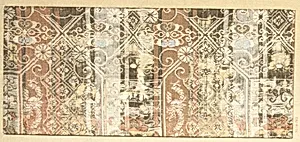
This exquisite silk textile fragment, titled simply *Piece*, hails from Japan during the 18th–19th, a time when the country’s Edo period transitioned into the early Meiji era. Measuring just 10¾ x 4¾ inches (27.31 x 12.07 cm), it the refined craftsmanship of Japanese woven textiles, classified as a woven silk in the Metropolitan Museum of Art’s Asian Art Department. Donated in 1896 by Mr. and Mrs. H. O. Havemeyerprominent collectors who enriched the Met’s holdings—this modest yet masterful object invites us to appreciate the artistry hidden in everyday luxury materials. Silk weaving was a pinnacle of Japanese textile production, often produced in regions like Nishijin in Kyoto, where weavers employed sophisticated looms to create intricate patterns symbolizing nature, seasons, or social status. Though the artist remains unknown, the medium’s sheen and durability highlight silk’s cultural prestige: it was prized for kimonos, obi sashes, and ceremonial garments, blending functionality with aesthetic poetry. These pieces were not mere fabric but portable art forms, reflecting Japan’s isolationist refinement before global influences reshaped its traditions. Today, this fragment offers a tactile glimpse into Japan’s textile heritage, underscoring how even small survivals preserve centuries of skill and innovation. A testament to anonymous mastery, it reminds visitors of the unsung heroes behind Japan’s enduring artistic legacy.