
Piece
Unknown Artist
18th–19th century
Medium
Silk
Dimensions
6 1/4 x 5 1/4 in. (15.88 x 13.34 cm)
Classification
Textiles-Woven
Culture
Japan
Department
Asian Art
Museum
Metropolitan Museum of Art, New York, NY
Credit
Gift of Mr. and Mrs. H. O. Havemeyer, 1896
Accession Number
96.14.768
Rights
Public Domain
Art Historical Context
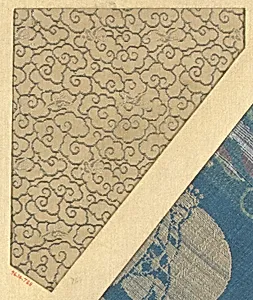
This exquisite silk textile fragment, simply titled *Piece*, hails from Japan during the 18th–19th centuries, a time when the country’s Edo and early Meiji periods flourished with masterful craftsmanship. Measuring just 6¼ x 5¼ inches, this small woven square exemplifies the precision of Japanese textile arts, where silk was prized for its luster and versatility. Donated to the Metropolitan Museum of Art in 1896 by collectors Mr. and Mrs. H. O. Havemeyer, it reflects the growing Western fascination with Asian artistry at the turn of the century. Woven textiles like this were central to Japanese culture, used in kimonos, obi sashes, and ceremonial garments. Silk production, centered in regions like Kyoto’s Nishijin district, involved intricate looms and dyes derived from natural sources, creating durable yet delicate fabrics that conveyed status and artistry. Though the artist remains unknown, the piece highlights the anonymous skill of artisan workshops, where generations perfected techniques passed down through guilds. Today, in the Met’s Asian Art Department, this modest fragment invites us to appreciate Japan’s textile legacy— a testament to innovation in weaving that influenced global fashion and design. Pause and imagine it as part of a vibrant garment, whispering stories of daily life and elegance from centuries past.