
Piece
Unknown Artist
18th–19th century
Medium
Silk
Dimensions
4 3/4 x 3 1/4 in. (12.07 x 8.26 cm)
Classification
Textiles-Woven
Culture
Japan
Department
Asian Art
Museum
Metropolitan Museum of Art, New York, NY
Credit
Gift of Mr. and Mrs. H. O. Havemeyer, 1896
Accession Number
96.14.815
Rights
Public Domain
Tags
Art Historical Context
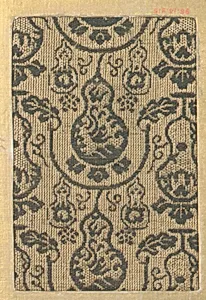
This delicate silk textile fragment, titled simply *Piece*, hails from Japan during the 18th–19th, a time when Edo-period craftsmanship flourished alongside the dawn of the Meiji era. Measuring just 4 3/4 x 3 1/4 inches, it exemplifies the exquisite finesse of Japanese woven textiles, likely intended as a swatch for clothing, accessories, or decorative purposes. Donated to the Metropolitan Museum Art in 1896 by Mr. and Mrs. H. O. Havemeyer, reflects early Western fascination with Asian artistry. The artwork's woven silk medium highlights Japan's mastery of sericulture and loom techniques, producing lustrous fabrics prized for their durability and sheen. Gourds, the central motif suggested by its tags, hold deep cultural resonance in Japanese folklore—symbolizing longevity, prosperity, and protection against misfortune. These humble vegetables often appeared in folk art, netsuke carvings, and textiles, blending everyday life with auspicious symbolism. As a modest yet masterful survivor from Japan's textile golden age, this piece invites visitors to appreciate the artistry hidden in fragments, where intricate patterns whisper stories of tradition and ingenuity.