
Piece
Unknown Artist
18th–19th century
Medium
Silk
Dimensions
5 1/4 x 2 1/4 in. (13.34 x 5.71 cm)
Classification
Textiles-Woven
Culture
Japan
Department
Asian Art
Museum
Metropolitan Museum of Art, New York, NY
Credit
Gift of Mr. and Mrs. H. O. Havemeyer, 1896
Accession Number
96.14.853
Rights
Public Domain
Tags
Art Historical Context
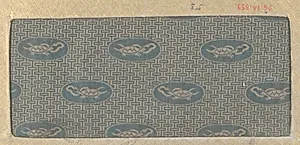
This exquisite silk textile fragment, titled simply *Piece*, hails from Japan during the 18th19th centuries, a golden era for intricate weaving techniques in the Edo and early Meiji periods. Measuring just 5¼ x 2¼ inches (13.34 x 5.71 cm), its diminutive size suggests it may be a sample or remnant from a larger garment, accessory, or decorative panel. Woven from fine silk and tagged with motifs of snakes, it showcases the mastery of Japanese textile artisans, who elevated silk weaving into an art form blending functionality with symbolism. In Japanese culture, snakes often evoke themes of renewal, protection, and the mystical, drawing from folklore and Shinto beliefs where they guard treasures or embody seasonal change. The woven structure highlights advanced *kasuri* or jacquard-like techniques, where threads are pre-dyed to create patterns, producing a luminous texture that catches the light. Such pieces were prized for kimonos, obi sashes, or ceremonial robes, reflecting the era's booming silk trade and export appeal. Generously gifted to the Metropolitan Museum of Art in 1896 by Mr. and Mrs. H. O. Havemeyer—renowned collectors of Asian art—this fragment offers a window into Japan's textile heritage. Visitors, imagine the delicate hands that wove these serpentine forms, preserving stories in silk for centuries.