
Piece
Unknown Artist
18th century
Medium
Silk, metallic thread
Dimensions
12 1/2 x 6 3/8 in. (31.75 x 16.26 cm)
Classification
Textiles-Woven
Culture & Period
Japan · Edo period (1615–1868)
Department
Asian Art
Museum
Metropolitan Museum of Art, New York, NY
Credit
Gift of Mr. and Mrs. H. O. Havemeyer, 1896
Accession Number
96.14.927
Rights
Public Domain
Tags
Art Historical Context
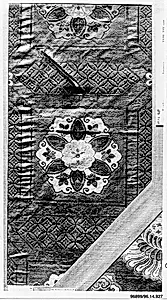
This exquisite woven textile fragment, simply titled *Piece*, hails from 18th-century Japan during the Edo period (161–1868), a time of relative peace and cultural flourishing.ed from luxurious silk and shimmering metallic threads, it measures a compact 12½ x 6⅜ inches (31.75 x 16.26 cm). Likely part of a larger garment or decorative item, such as a kimono sash or obi, it exemplifies the refined textile arts that defined Japanese craftsmanship. Donated to the Metropolitan Museum of Art in 1896 by collectors Mr. and Mrs. H.O. Havemeyer, it now resides in the Asian Art department. Edo-period textiles were prized for their intricate patterns and technical mastery, often featuring floral motifs that celebrated Japan's deep reverence for nature and the seasons. The use of metallic threads—typically gold or silver—added a radiant, jewel-like quality, elevating everyday luxury and symbolizing prosperity. Weaving techniques like those in *kasuri* or brocaded silk allowed artisans to create delicate, blooming designs that evoked cherry blossoms or chrysanthemums, blending functionality with poetic beauty. As a snapshot of Japan's vibrant merchant culture, this piece highlights how textiles became accessible art forms, worn by all classes. Its preservation offers visitors a tactile glimpse into Edo elegance, where every thread wove stories of harmony and impermanence.