
Piece
Unknown Artist
18th–19th century
Medium
Silk
Dimensions
2 1/4 x 4 in. (5.71 x 10.16 cm)
Classification
Textiles-Woven
Culture
Japan
Department
Asian Art
Museum
Metropolitan Museum of Art, New York, NY
Credit
Gift of Mr. and Mrs. H. O. Havemeyer, 1896
Accession Number
96.14.1043
Rights
Public Domain
Art Historical Context
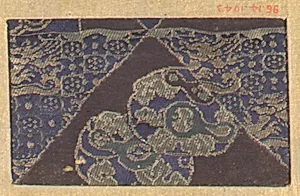
This exquisite silk textile fragment, titled simply *Piece*, hails from Japan during the 18th19th centuries, a period when the country’s weaving traditions flourished under the Edo and early Meiji eras. Measuring just 2¼ x 4 inches (5.71 x 10.16 cm), its diminutive size belies the masterful craftsmanship of Japanese silk production, renowned for its luminosity, durability, and intricate patterns used in garments like kimonos and obiashes. As a woven textile, it exemplifies *kasuri* or figured silk techniques, where threads are pre-dyed to create subtle motifs, reflecting the artisanal precision of regional workshops such as those in Kyoto’s Nishijin district. In Japanese culture, silk was more than fabric—it symbolized wealth, status, and aesthetic refinement, often reserved for the elite samurai class or nobility. Woven pieces like this were integral to daily life and festivals, blending functionality with artistry influenced by nature, seasons, and folklore. Donated to the Metropolitan Museum of Art in 1896 by Mr. and Mrs. H. O. Havemeyer, prominent collectors of Asian art, this fragment offers a tangible glimpse into Japan’s textile heritage just as Western interest in Japonisme surged. Though the artist remains unknown, the work’s survival highlights the enduring legacy of Japan’s silk industry, which powered global trade and inspired Impressionist painters like Monet. A quiet treasure in the Asian Art department, it invites visitors to appreciate the delicate interplay of thread and time.