
Piece
Unknown Artist
18th–19th century
Medium
Silk
Dimensions
1 1/4 x 5 1/4 in. (3.17 x 13.34 cm)
Classification
Textiles-Woven
Culture
Japan
Department
Asian Art
Museum
Metropolitan Museum of Art, New York, NY
Credit
Gift of Mr. and Mrs. H. O. Havemeyer, 1896
Accession Number
96.14.1045
Rights
Public Domain
Art Historical Context
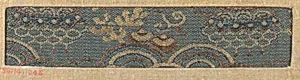
This delicate silk textile fragment, simply titled *Piece*, hails from Japan during the 18th–19th centuries, a time when the country’s Edo and early Meiji periods celebrated exquisite craftsmanship in weaving. Measuring just 1¼ x 5¼ inches, it exemplifies the precision of Japanese textile arts, where silk—prized for its luster and durability—was woven into luxurious garments like kimonos or obi sashes. Though the artist remains unknown, such pieces often emerged from specialized workshops, showcasing the ingenuity of anonymous artisans who transformed fine threads into wearable art. Woven silk held profound cultural significance in Japan, symbolizing status, seasonality, and aesthetic harmony. Techniques like jacquard-style patterning or supplementary weft weaving allowed for intricate motifs inspired by nature, folklore, or daily life, reflecting the era’s yūzen dyeing influences and a deep reverence for wabi-sabi imperfection. This small survivor offers a glimpse into the vibrant textile trade that fueled Japan’s economy and influenced global fashion. Generously gifted to the Metropolitan Museum of Art in 1896 by Mr. and Mrs. H. O. Havemeyer, renowned collectors of Asian treasures, this fragment invites us to appreciate the quiet elegance of everyday opulence in historical Japan. A testament to enduring artistry, it reminds visitors of silk’s timeless allure.