
Piece
Unknown Artist
18th–19th century
Medium
Silk
Dimensions
4 x 1 1/4 in. (10.16 x 3.17 cm)
Classification
Textiles-Woven
Culture
Japan
Department
Asian Art
Museum
Metropolitan Museum of Art, New York, NY
Credit
Gift of Mr. and Mrs. H. O. Havemeyer, 1896
Accession Number
96.14.1345
Rights
Public Domain
Art Historical Context
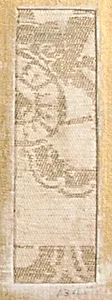
This exquisite silk textile fragment, dating to Japan's 18th–19th century, exemplifies the mastery of woven textiles in Asian art. Measuring just 4 x 1¼ inches (10.16 x 3.17 cm), its diminutive size belies the intricate craftsmanship typical of the period, when silk weaving reached new heights of sophistication. Produced during the late Edo and early Meiji, such pieces were often integral to garments like kimonos or obi sashes, showcasing Japan's renowned textile traditions centered in regions like Kyoto's Nishijin district. The use of silk as a medium highlights its cultural prestige in Japan, where it symbolized luxury, status, and artistic innovation. Weavers employed complex loom techniques to create durable, finely textured fabrics that could feature subtle patterns or dyes, reflecting seasonal motifs, nature, or auspicious symbols—though the precise design of this anonymous work remains a tantalizing mystery. These textiles were not mere utilitarian objects but carriers of aesthetic philosophy, blending functionality with poetic beauty. Generously gifted to the Metropolitan Museum of Art in 1896 by Mr. and Mrs. H. O. Havemeyer, prominent collectors of Asian treasures, this piece invites visitors to appreciate the delicate artistry of Japan's textile heritage. Up close, it whispers stories of imperial elegance and enduring tradition.