
Piece
Unknown Artist
18th–19th century
Medium
Silk
Dimensions
4 1/4 x 5 1/4 in. (10.80 x 13.34 cm)
Classification
Textiles-Woven
Culture
Japan
Department
Asian Art
Museum
Metropolitan Museum of Art, New York, NY
Credit
Gift of Mr. and Mrs. H. O. Havemeyer, 1896
Accession Number
96.14.1431
Rights
Public Domain
Tags
Art Historical Context
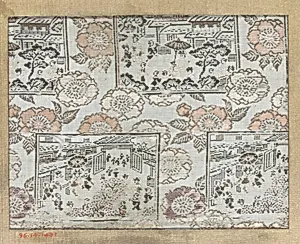
This delicate silk textile fragment, titled simply *Piece*, hails from Japan during the 18th–19th, a time when Edo-period craftsmanship flourished before transitioning into the Meiji era. Measuring just 4¼ x 5¼ inches, its diminutive size suggests it may be a sample or remnant from a larger garment, such as a kimono ori sash. Woven with exquisite precision, the fabric showcases floral motifs—a hallmark of Japanese textile art, where flowers often symbolized the fleeting beauty of nature and the seasons, evoking poetic themes from classical literature. The use of silk as a medium underscores Japan's mastery of sericulture and weaving techniques, particularly in regions like Kyoto's Nishijin district, renowned for intricate brocades. These textiles were not merely functional but status symbols, adorning the elite with vibrant, nature-inspired patterns that blended artistry and spirituality. Though the artist remains unknown, the piece exemplifies the anonymous yet masterful skill of traditional weavers. Generously donated to the Metropolitan Museum of Art in 1896 by Mr. and Mrs. H. O. Havemeyer, prominent collectors of Asian art, this fragment offers a window into Japan's textile heritage. Visitors can appreciate how such small treasures preserve the elegance of a bygone era, inviting reflection on the enduring allure of floral symbolism in East Asian culture.