
Piece
Unknown Artist
late 17th–early 18th century
Medium
Silk; on silk
Dimensions
6 1/2 x 4 1/4 in. (16.51 x 10.80 cm)
Classification
Textiles-Embroidered
Culture & Period
China · Qing dynasty (1644–1911)
Department
Asian Art
Museum
Metropolitan Museum of Art, New York, NY
Credit
Gift of Mrs. Nellie B. Hussey, 1942
Accession Number
42.115.39
Rights
Public Domain
Tags
Art Historical Context
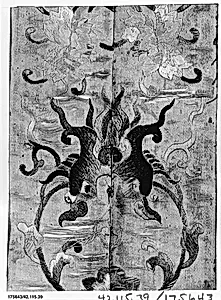
This delicate embroidered silk fragment, simply titled *Piece*, hails from late 17th- to early 18th-century during the Qing dynasty (4–1911). just 6½ x 4¼ inches, it exemplifies the exquisite craftsmanship of the era's textile arts, likely a remnant from a garment, accessory, or decorative panel. Adorned with floral motifs—a tag that hints at blooming patterns symbolizing prosperity, beauty, and harmony in Chinese culture—the work showcases the period's mastery of silk embroidery. In the Qing dynasty, textiles like this were prized for their technical virtuosity and cultural resonance. Produced on silk backing with silk threads, the embroidery techniques—such as satin stitch, Peking knot, or couching—created luminous textures and depth, reflecting influences from imperial workshops and domestic artisans. Flowers were ubiquitous in Chinese art, evoking Confucian ideals of virtue and the natural world's elegance, often integrated into clothing for the elite. Today, this intimate treasure resides in the Metropolitan Museum of Art's Asian Art Department, a gift from Mrs. Nellie B. Hussey in 1942. It invites visitors to appreciate the Qing's blend of opulence and subtlety, where even a small "piece" whispers volumes about everyday artistry in imperial China.