
Piece (one of 116)
Unknown Artist
19th century
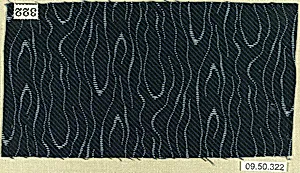
Medium
Cotton
Dimensions
3 1/2 x 6 1/2 inches 8.9 x 16.5 cm
Classification
Textiles-Printed
Culture
German
Department
European Sculpture and Decorative Arts
Museum
Metropolitan Museum of Art, New York, NY
Credit
Rogers Fund, 1909
Accession Number
09.50.322
Rights
Public Domain
Art Historical Context
This petite cotton textile fragment, titled *Piece (one of )*, hails from 19th-century Germany and measures just 3½ x 6½ inches. As a printed textile in the Metropolitan Museum of Art's European and Decorative Arts collection—acquired through the Rogers Fund in 1909—it exemplifies the era's booming textile industry. These small swatches, part of a larger group of 116 pieces, were likely samples showcasing intricate patterns produced for clothing, upholstery, or household linens. Printed cotton fabrics like this one marked a pivotal shift in the 19th century, as mechanical printing techniques revolutionized production in Europe, particularly in textile hubs like Germany. Woodblock or copperplate printing allowed for vibrant, repeating motifs—often floral, geometric, or scenic—that democratized decorative arts for middle-class homes. Though the artist remains unknown, the precision of the printing highlights skilled craftsmanship amid industrialization. Today, this unassuming fragment offers a window into everyday German material culture, preserving techniques that blended artistry with emerging mass production. Visitors to the Met can appreciate how such textiles wove beauty into daily life, bridging fine art and functional design.