
Piece (one of 116)
Unknown Artist
19th century
Medium
Cotton
Dimensions
4 x 5 inches 10.2 x 12.7 cm
Classification
Textiles-Printed
Culture
German
Department
European Sculpture and Decorative Arts
Museum
Metropolitan Museum of Art, New York, NY
Credit
Rogers Fund, 1909
Accession Number
09.50.350
Rights
Public Domain
Art Historical Context
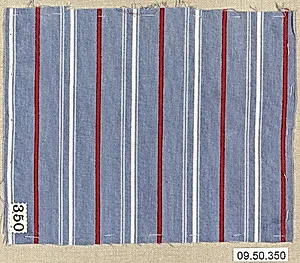
This modest yet captivating "Piece (one of 116)" is a printed cotton textile fragment from 19th-century Germany, measuring just 4 x 5 inches (10.2 x 12.7 cm). Housed in the Metropolitan Museum of Art's Department of European Sculpture and Decor Arts, it exemplifies the intricate world of printed textiles, acquired through the Rogers Fund in 9. As part of a larger collection of 116 similar pieces, it offers a glimpse into everyday artistry, likely used for clothing, upholstery, or household linens during an era of rapid industrialization. In 19th-century Germany, printed cotton flourished thanks to advances in mechanical printing techniques, such as copperplate and roller printing, which allowed for vibrant, repeating patterns on affordable fabric. These textiles bridged folk traditions and emerging mass production, reflecting cultural pride in craftsmanship amid the Biedermeier style's emphasis on domestic comfort and restraint. Though the artist remains unknown, the piece highlights the anonymous skill of textile designers who democratized beauty for middle-class homes. Today, such fragments preserve the tactile history of daily life, inviting us to imagine the hands that wove and printed them. A small survivor from a bygone workshop, it reminds visitors of textiles' enduring role in European decorative arts.