
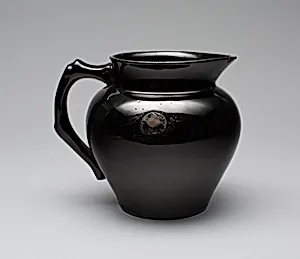
Pitcher
1800–30
Medium
Earthenware
Dimensions
H.: 14 cm (5 1/2 in.)
Classification
pitcher (vessel)
Department
Arts of the Americas
Museum
Art Institute of Chicago
Accession Number
78107
Rights
Public Domain
Art Historical Context
This modest earthenware pitcher, crafted between 1800 and 1830, offers a glimpse into everyday life in the early Americas. Standing just 14 cm tall, it served as a practical vessel for pouring water, milk, or other liquids in households across North or South America. As part of the Art Institute of Chicago's Arts the Americas collection, it exemplifies the utilitarian pottery that was essential to domestic routines during a time of expanding settlements, trade, and cultural exchange. Earthenware, from low-fired clay, a favored medium for its accessibility and affordability, allowing skilled potters—often anonymous artisans—to produce durable, functional items quickly. Though the artist remains unknown, the pitcher's simple form highlights the craftsmanship of regional workshops, where hand-thrown or molded techniques created objects that blended utility with subtle aesthetic appeal, such as glossy glazes or molded motifs. These vessels were not mere tools but cultural artifacts, reflecting the resourcefulness of communities adapting European traditions to local clays and needs. Today, this unassuming pitcher invites us to appreciate the artistry in the ordinary, reminding visitors of the unsung makers who shaped American material culture in the early 19th century.