
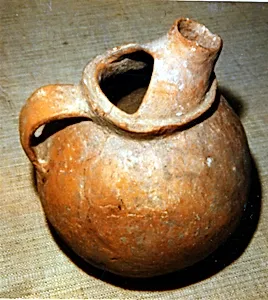
新石器時代 陶壺|Pitcher (Hu)
Unknown Artist
ca. 2500 BC
Medium
Earthenware
Dimensions
H. 9 3/8 in. (23.8 cm); W. 8 3/4 in. (22.2 cm)
Classification
Ceramics
Culture & Period
China · Neolithic period
Department
Asian Art
Museum
Metropolitan Museum of Art, New York, NY
Credit
Gift of Robert Hatfield Ellsworth, in honor of the Weber family, 1987
Accession Number
1987.409.4
Rights
Public Domain
Art Historical Context
This modest yet remarkable earthenware pitcher, known as a *hu*, hails from China's Neolithic period around 2500 BC. Standing just 9⅜ inches tall and 8¾ inches wide, it exemplifies the practical artistry of early farming communities in ancient China. Crafted by an unknown potter, its simple form—a wide mouth and rounded body—suggests it was designed for everyday use, such as storing grain, water, or fermented liquids essential to settled village life. During the Neolithic era, pottery like this represented a technological leap, with hand-built earthenware fired in open pits or early kilns to create durable vessels. These ceramics were vital for food preparation, storage, and possibly rituals, reflecting the shift from nomadic hunter-gatherers to agricultural societies. The *hu*'s earthy tones and sturdy construction highlight the ingenuity of prehistoric artisans, who relied on local clays without the wheel or glaze. Today, this treasured piece resides in the Metropolitan Museum of Art's Asian Art Department, a 1987 gift from Robert Hatfield Ellsworth honoring the Weber family. It offers a tangible link to China's ancient past, inviting us to ponder the daily rhythms of life 4,500 years ago.