
Plate
ca. 1725
Medium
Faience (tin-glazed earthenware)
Dimensions
Diameter: 9 7/8 in. (25.1 cm)
Classification
Ceramics-Pottery
Culture
French, Rouen
Department
European Sculpture and Decorative Arts
Museum
Metropolitan Museum of Art, New York, NY
Credit
Gift of J. Pierpont Morgan, 1917
Accession Number
17.190.1840
Rights
Public Domain
Tags
Art Historical Context
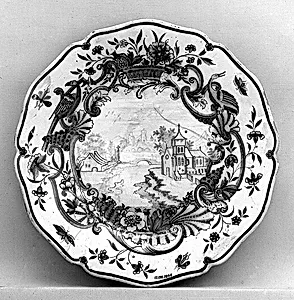
This exquisite plate, crafted by Pierre Chap II around 1725 in Rouen, France, exemplifies the golden age of faience production. Made from tin-glazed earthenware, medium that revolutionized European ceramics by providing a glossy, white surface ideal for vibrant painted decoration, it measures 9 7/8 inches in diameter. The design bursts with life: colorful birds perch amid blooming flowers, quaint houses, and church spires, evoking a whimsical pastoral landscape that reflects 18th-century French delight in nature and architecture. Rouen faience makers like Chapelle II were masters of polychrome techniques, firing the tin glaze to seal intricate motifs painted in blues, yellows, and greens—colors derived from mineral oxides. This industry thrived in the early 1700s, fueled by royal patronage and competition with Chinese porcelain imports, turning everyday tableware into affordable luxury. Such plates graced bourgeois dining tables, blending utility with artistry. Today, housed in the Metropolitan Museum of Art's European Sculpture and Decorative Arts Department as a gift from J. Pierpont Morgan in 1917, it showcases Rouen's pivotal role in shaping decorative arts, bridging folk traditions and high design for enduring appeal.