
Plate
ca. 1730–40
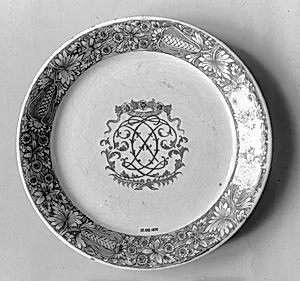
Medium
Faience (tin-glazed earthenware)
Dimensions
Diameter: 9 1/2 in. (24.1 cm)
Classification
Ceramics-Pottery
Culture
French, Rouen
Department
European Sculpture and Decorative Arts
Museum
Metropolitan Museum of Art, New York, NY
Credit
Gift of J. Pierpont Morgan, 1917
Accession Number
17.190.1870
Rights
Public Domain
Tags
Art Historical Context
This elegant faience plate, crafted by-Baptiste Guillibaud in, France, around 1730–40, exemplifies the golden age of French tin-glazed earthenware Rouen was a thriving hub for faience production during the early 18th century, where artisans like Guillibaud perfected techniques that rivaled imported Chinese porcelain. The tin glaze provided a smooth, brilliant white surface ideal for vibrant overglaze enamels, allowing affordable yet luxurious tableware for bourgeois homes amid the opulent Rococo era. Adorned with delicate floral motifs and insignia—likely heraldic emblems—the 9½-inch (24.1 cm) diameter plate showcases Guillibaud's skill in intricate painting. Flowers symbolized abundance and beauty in decorative arts, while insignia hinted at personal or familial prestige, blending artistry with social signaling. This polychrome style, a Rouen specialty, captured the playful asymmetry and naturalism emerging in French design. A generous gift to The Metropolitan Museum of Art from J. Pierpont Morgan in 1917, this piece preserves Rouen's ceramic legacy, inviting us to appreciate how everyday objects embodied 18th-century refinement and innovation.