
Plate
1756–57
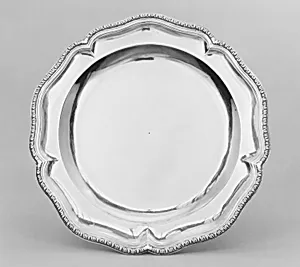
Medium
Silver
Dimensions
Overall: 7/8 × 10 3/8 in. (2.2 × 26.4 cm)
Classification
Metalwork-Silver
Culture
French, Paris
Department
European Sculpture and Decorative Arts
Museum
Metropolitan Museum of Art, New York, NY
Credit
Bequest of Catherine D. Wentworth, 1948
Accession Number
48.187.373
Rights
Public Domain
Art Historical Context
This elegant silver plate, crafted by silversmith Nicolas-Cl Valliêres around 1756–57, exemplifies the refined metalwork of Louis XV-era France. Measuring just 7/8 by 10 3/8 inches, its delicate oval form suggests it served as a small salver or tray for serving sweets, spices, or condiments during intimate dinners or tea services. Valliêres, a goldsmith registered in Paris, bore the prestigious poinçon (maker's mark) of the city's silversmith guild, ensuring quality under strict royal regulations. In the opulent Rococo period, Parisian silver was prized for its shimmering surfaces and intricate chasing or engraving techniques, often featuring floral motifs or shell designs that captured the era's playful asymmetry. This plate reflects the height of French decorative arts, when silver objects were status symbols for the aristocracy, blending functionality with artistic flair. Produced amid the Seven Years' War, such pieces offered a touch of luxury amid geopolitical tensions. Today, housed in the Metropolitan Museum of Art's European Sculpture and Decorative Arts department through the 1948 bequest of Catherine D. Wentworth, it invites us to appreciate the silversmith's precision—hammering thin silver sheets into graceful shapes without modern tools. A testament to 18th-century craftsmanship, it whispers of Versailles' gilded salons.