
Plate
1744–49
Medium
Hard-paste porcelain
Dimensions
Diameter: 8 7/8 in. (22.5 cm)
Classification
Ceramics-Porcelain
Culture
Austrian, Vienna
Department
European Sculpture and Decorative Arts
Museum
Metropolitan Museum of Art, New York, NY
Credit
The Hans Syz Collection, Gift of Stephan B. Syz and John D. Syz, 1995
Accession Number
1995.268.45
Rights
Public Domain
Tags
Art Historical Context
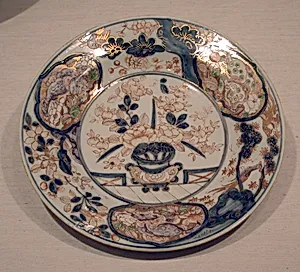
This elegant plate, crafted by the Imperial Porcelainufactory in Vienna between 1744 and 1749, exemplifies the height of Austrian porcelain artistry during the early Rococo period. Founded in 1718 and acquired by Empress Maria Theresa in 1744, the manufactory quickly rivaled Meissen and Sèvres in technical prowess. Made from hard-paste porcelain—a, translucent material fired at high temperatures to mimic prized Chinese imports—this 8⅞-inch (22.5 cm) dinner plate showcases Europe's mastery of the medium after decades of secretive experimentation. The plate's decoration bursts with vibrant motifs: intricate flowers, graceful birds, a majestic phoenix symbolizing rebirth and imperial power, and fierce lions evoking strength and nobility. These elements, likely painted in overglaze enamels and fired for lasting color, reflect the era's fascination with exoticism, mythology, and nature, blending European fantasy with Asian influences. Such designs adorned tables of the Habsburg elite, turning everyday dining into a display of sophistication. Today, housed in The Metropolitan Museum of Art as part of The Hans Syz Collection (gift of Stephan B. Syz and John D. Syz, 1995), this piece highlights Vienna's pivotal role in 18th-century decorative arts, bridging utility and opulence for collectors and connoisseurs alike.
About the Artist
Imperial Porcelain Manufactory ( ) · 1744 –1864
Vienna, 1744–1864