
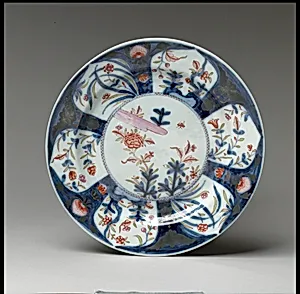
Plate
Medium
Hard-paste porcelain
Dimensions
Diameter: 8 7/8 in. (22.5 cm)
Classification
Ceramics-Porcelain
Culture
Austrian, Vienna
Department
European Sculpture and Decorative Arts
Museum
Metropolitan Museum of Art, New York, NY
Credit
The Hans Syz Collection, Gift of Stephan B. Syz and John D. Syz, 1995
Accession Number
1995.268.46
Rights
Public Domain
Tags
Art Historical Context
This elegant porcelain plate hails from the Vienna Porcelain Manufactory during the influential Claudius Innocentius du Pa period, around 1745–50. Founded in 1718 by the entrepreneur du Paquier, the factory was Austria's pioneering center for hard-paste porcelain technically demanding medium prized for its durability, translucency, resemblance to rare Chinese wares. Measuring 8⅞ inches in diameter, this piece exemplifies the rococo-era refinement of European decorative arts, now housed in The Metropolitan Museum of Art's Sculpture and Decorative Arts department as part of The Hans Syz Collection. The Du Paquier manufactory marked a cultural milestone by breaking Meissen's near-monopoly on true hard-paste porcelain in Europe, blending technical innovation with lavish ornamentation. Artisans fired the clay at high temperatures to achieve its glassy sheen, then hand-painted intricate floral motifs—evident in the delicate blossoms adorning this plate—which symbolized abundance and the fleeting beauty of nature in Baroque and rococo aesthetics. As a functional yet luxurious tableware item, it reflects Vienna's 18th-century status as a hub of imperial opulence under the Habsburgs. Visitors will appreciate how such pieces elevated everyday dining into high art, showcasing the era's fusion of craftsmanship and whimsy.