
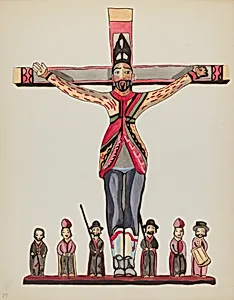
Plate 29: Saint Acacius: From Portfolio "Spanish Colonial Designs of New Mexico"
1935/1942
Medium
screenprint on paper
Dimensions
overall: 35.6 x 28 cm (14 x 11 in.)
Classification
Index of American Design
Department
CG-W
Museum
National Gallery of Art, Washington, D.C.
Credit
Index of American Design
Accession Number
1943.8.9353
Rights
Public Domain
Art Historical Context
Step into the vibrant world of Spanish colonial art with *Plate 29: Saintacius* from the portfolio *Spanish Colonial Designs of New*. Created between 1935 and 1942 by an American 20th-century artist this screenprint on paper (35.6 x 28 cm) is part of the Index of American Design—a landmark Works Progress Administration (WPA project during the Great Depression. This initiative employed artists to meticulously document everyday American objects, preserving folk art and design traditions through precise reproductions. Depicting Saint Acacius, a revered martyr often invoked for headaches and migraines, the print captures the essence of New Mexico's Spanish colonial religious iconography. These designs reflect the fusion of European Catholic devotion with the rugged aesthetics of the American Southwest, seen in colorful retablos (paintings on wood) and bultos (carved statues) that adorned colonial homes and chapels. Produced amid economic hardship, such works highlight how federal programs championed cultural heritage, safeguarding Hispanic artistry from the 17th and 18th centuries. The screenprint medium allowed for vivid, accessible replication of intricate patterns and bold colors, making colonial motifs available to a wider audience. Housed in the National Gallery of Art's Index of American Design collection, this piece invites visitors to appreciate the enduring spiritual and artistic legacy of New Mexico's Spanish past.
About the Artist
American 20th Century · 1900–1999
"American 20th Century" is the designation used by major institutions such as the National Gallery of Art (NGA) for anonymous and unidentified artists active in the United States during the twentieth century. The artist's personal identity, early life, and training remain undocumented, reflecting the challenges of attribution for unattributed works from this era. No specific teachers, art schools,...