
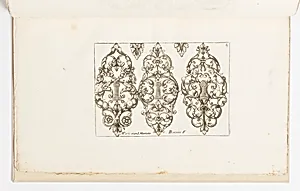
Plate 4, from Diverses pièces de serruriers (Various Designs for Locksmiths)
Classification
ornament
Department
Smithsonian Collection
Museum
Smithsonian American Art Museum
Credit
Purchased for the Museum by the Advisory Council
Accession Number
1921-6-486-5
Rights
Public Domain
About this artwork
Research in Progress
Art Historical Context
Step into the ornate world of 17th-century French design with *Plate 4, from Diverses pièces de serruriers (Various Designs for Locksmiths)* by Hugues Brisville, a French artist active around 1663. Created after 1662, this work is a meticulously crafted plate from a series intended for locksmiths, showcasing intricate ornamental patterns likely destined for metalwork such as locks, hinges, and decorative iron fittings. As part of the Smithsonian American Art Museum's collection—purchased by the Advisory Council—it exemplifies the fusion of functionality and artistry in the decorative arts. In the lavish era of Louis XIV, when Versailles symbolized grandeur, pattern books like Brisville's played a vital role in standardizing and elevating craftsmanship across Europe. These designs disseminated sophisticated motifs—think scrolling foliage, mythical motifs, or geometric flourishes—to workshops, bridging fine art and everyday objects. Though the medium remains under study, such plates were typically engravings, making complex ideas accessible for replication in durable materials like wrought iron or bronze. This piece highlights the unsung heroes of Baroque ornament: locksmiths whose work adorned chateaus and furniture. Ongoing research promises deeper insights, but it already invites us to appreciate how 17th-century innovation turned the mundane into the magnificent. (198 words)