
Plates from John Leslie's "De Origine Scotorum"
published 1675
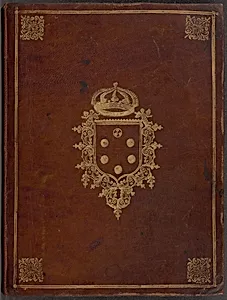
Medium
bound volume with 11 engravings; proofs of the plates from the 1675 edition
Classification
Volume
Department
CG-E
Museum
National Gallery of Art, Washington, D.C.
Credit
Rosenwald Collection
Accession Number
1943.3.9139
Rights
Public Domain
Art Historical Context
Step into the 17th-century world of scholarly debate with *Plates from John Leslie "De Origine Scum"*, a bound volume featuring 11 engravings from the 5 edition. Created by British artists of the era, these proof impressions—early trial prints before final publication—offer a rare glimpse into the meticulous process of book illustration during the Restoration period. Housed in the National Gallery of Art's Rosenwald CollectionDepartment CG-E), this classified volume captures the fusion of art and antiquarian scholarship. John Leslie, a Scottish bishop penned *De Origine Scotorum* to trace Scottish roots to ancient Scythians, blending history, mythology, and heraldry in a bold nationalist narrative. The engravings, rendered in fine lines typical of 17th-century British printmaking, likely depict maps, genealogical charts, or symbolic figures supporting his thesis. Engraving's precision allowed for detailed reproduction, making complex ideas accessible to Europe's intellectual elite amid rising interest in national origins post-Civil War. These proofs not only highlight engraving's role in disseminating knowledge but also reflect cultural fervor for tracing heritage in an age of emerging national identities. A testament to artistry serving scholarship, they invite visitors to ponder how images shaped historical memory.